
Rotogravure printing
High-definition reproduction with attention to colour matching, registration, fine text and detailed artwork.
Manufacturing capabilities
Printing, lamination, slitting, inspection and pouch conversion aligned around the approved packaging requirement.
Integrated operations
Each stage has a direct effect on appearance, barrier, bond strength, seal behaviour and repeatability in commercial production.
High-definition reproduction with attention to colour matching, registration, fine text and detailed artwork.
Solventless and solvent-based lamination options for structures selected around product and barrier requirements.
Slitting, rewinding and inspection operations supporting roll quality and downstream conversion requirements.
Conversion across stand-up, spout, shaped, three-side seal, centre seal and side-gusset formats.
Structure development informed by contents, barrier targets, filling method, sealing and distribution conditions.
Technical discussion covering new formats, artwork, samples, performance needs and production planning.
Development process
The final structure and production approach depend on the specific application and agreed commercial specification.
Review contents, size, format, filling process, storage and distribution.
Consider barrier, layers, sealing behaviour, print and conversion requirements.
Confirm artwork, dimensions, sampling needs and approved production specifications.
Move into planned commercial production with in-process quality checks.
Manufacturing equipment
Representative equipment across the principal production stages at Addtech's manufacturing facility in Vapi.
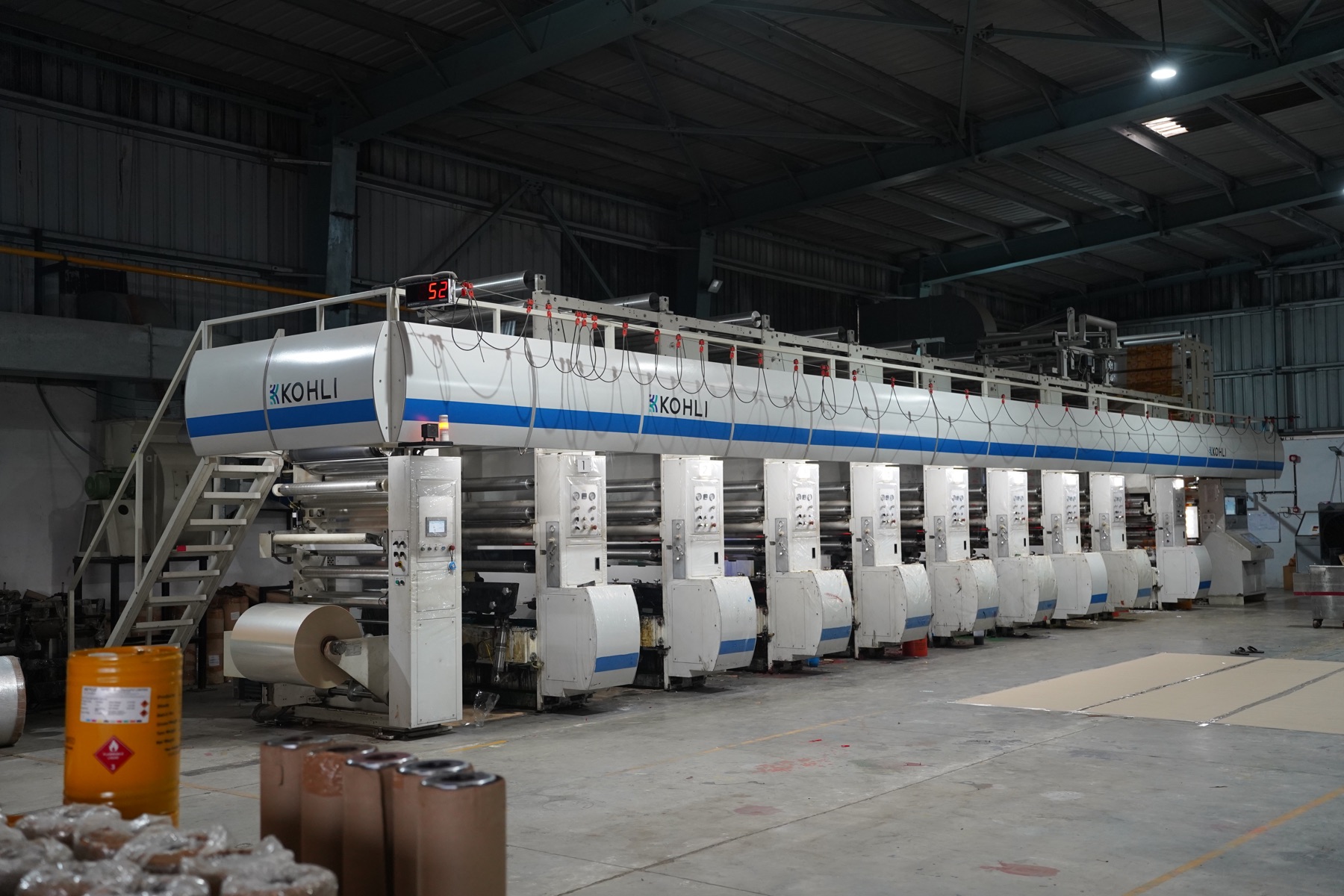
The 8+1-colour ELS rotogravure press supports controlled registration, colour reproduction and repeat runs.
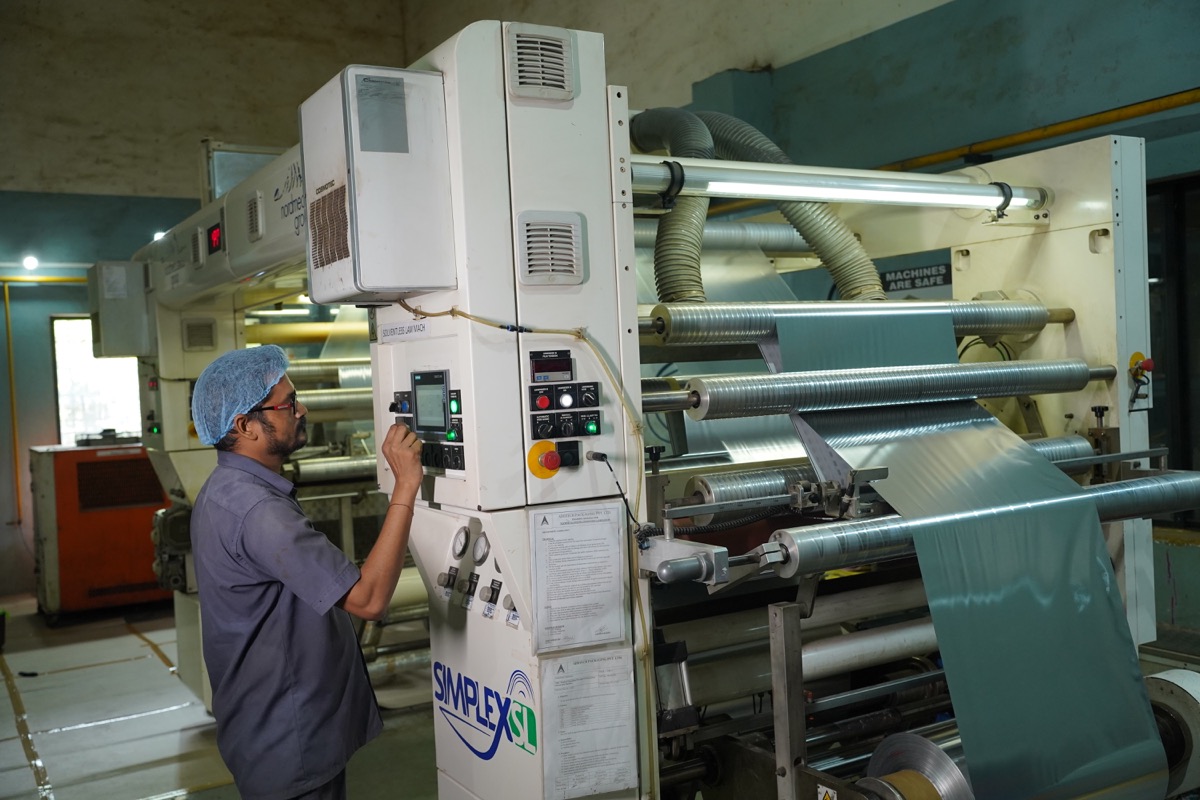
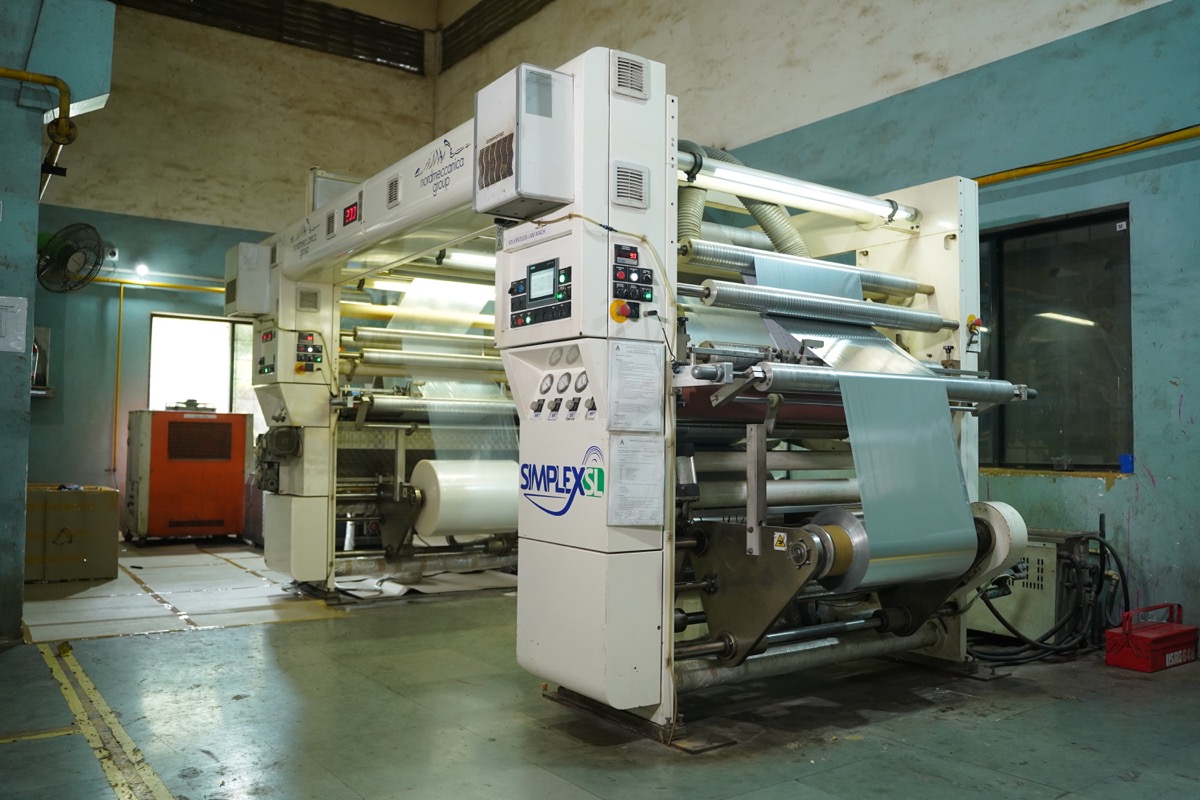
Solventless and solvent-based equipment supports multi-layer structures selected for the required performance.
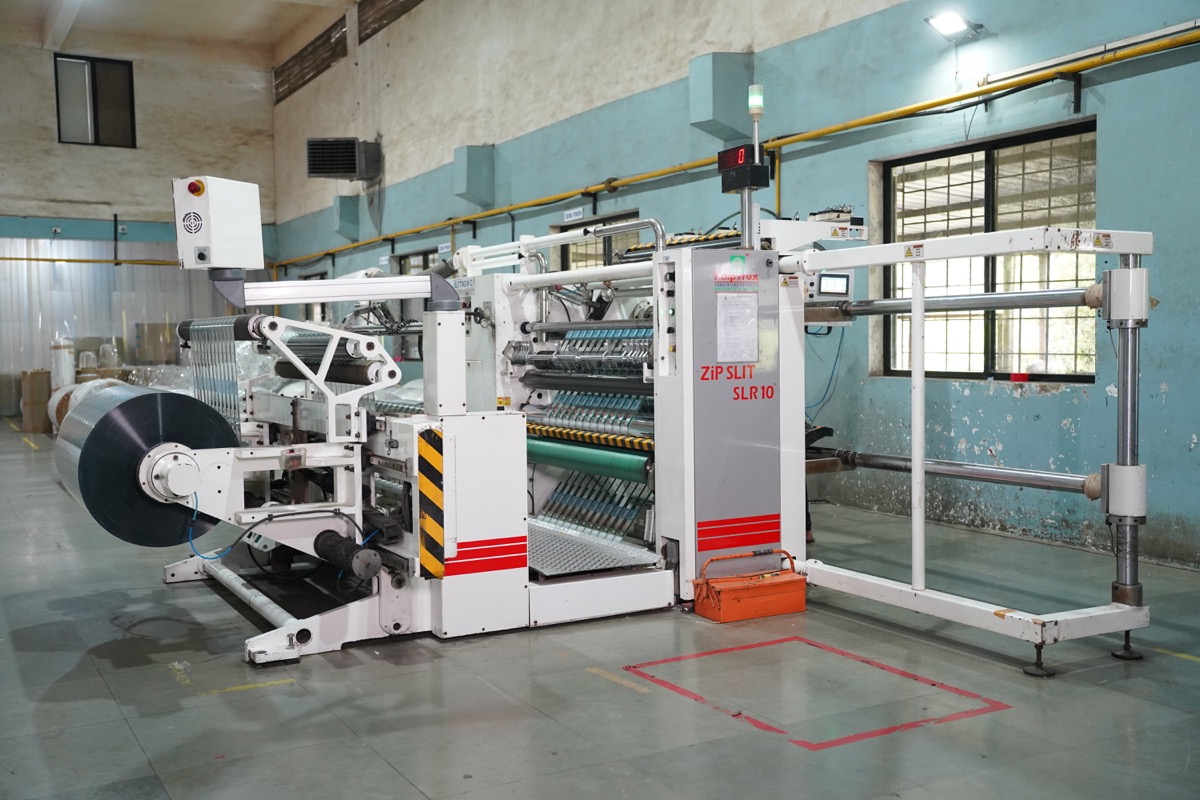
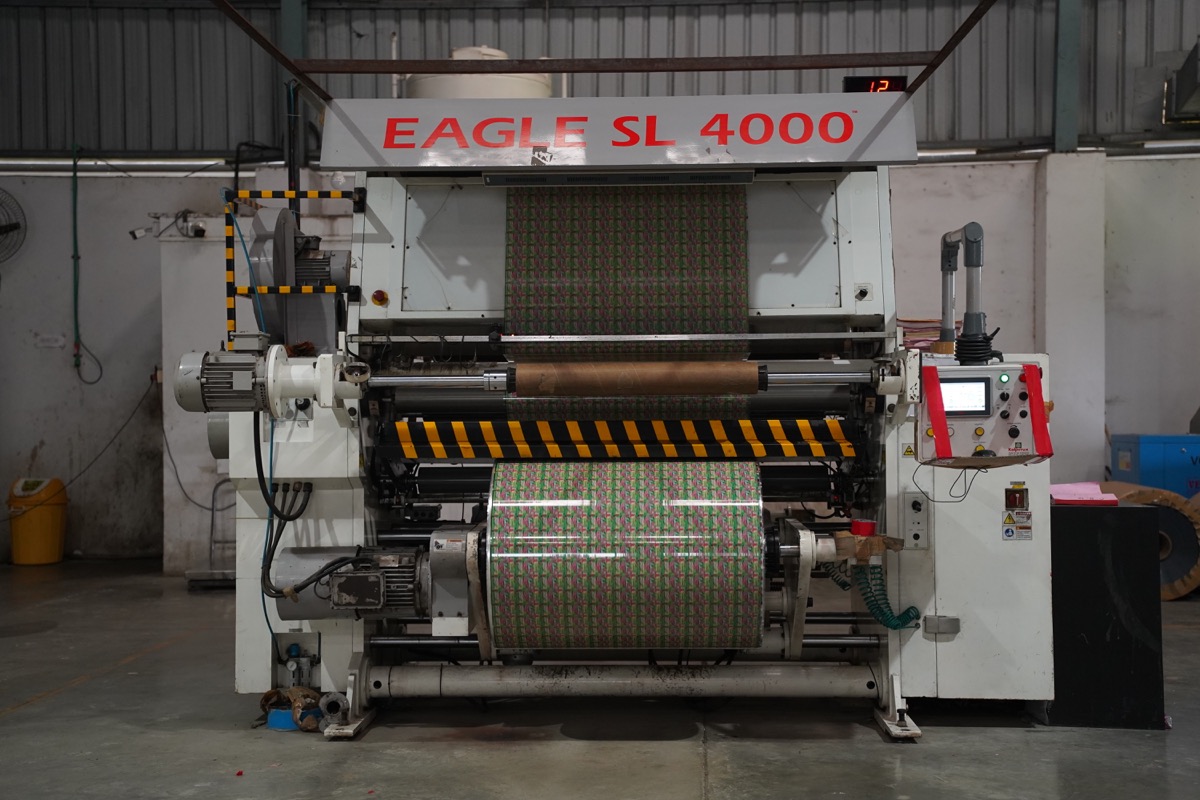
Slitting and rewinding equipment finishes laminate rolls for inspection and downstream conversion.
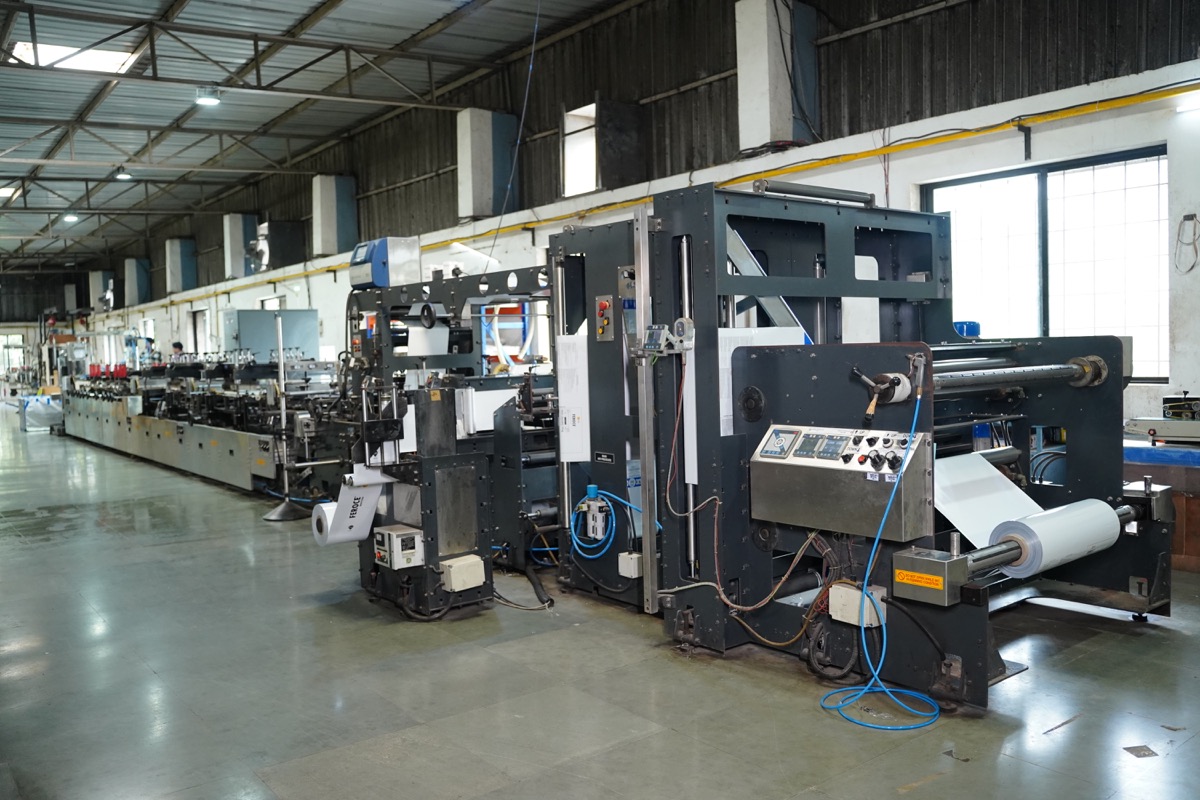
Pouch-making equipment converts approved laminates into stand-up, spout, shaped and sealed formats.
Technical focus
The package needs to align with the product and production environment, not only the visual brief.
Oxygen and moisture transmission requirements can inform structure selection where relevant to the application.
Seal behaviour is considered for liquids, gels, powders, granules and demanding chemical formulations.
Artwork reproduction, brand colours, fine text and registration are addressed during print planning.